Made for your needs
Choose the available variant and quantity that fits your requirement.
Fire Safety Equipment
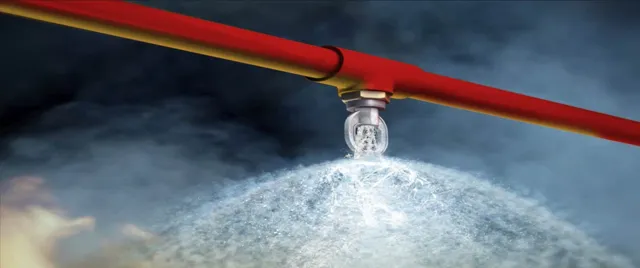
Fire Sprinklers are automatic fire protection devices designed to release water when exposed to sufficient heat from a developing fire. They form an important part of fixed fire protection systems in industrial, commercial, warehouse, and facility environments, helping control fire spread and support safer emergency response.
Choose the available variant and quantity that fits your requirement.
Clear product information, specifications, and support in one place.
Add to cart or contact the seller without leaving the product page.
A Fire Sprinkler is a heat-activated component used in automatic fire protection systems. It is installed at selected locations on sprinkler piping and is designed to discharge water when the sprinkler reaches its operating temperature. Unlike manual firefighting equipment, a sprinkler system can respond automatically to heat generated by a fire, making it an important part of planned fire safety infrastructure.
For factories, warehouses, commercial buildings, offices, production areas, storage facilities, and other occupied spaces, selecting suitable sprinkler components is an important part of fire protection planning. The sprinkler head, piping arrangement, water supply, valves, and other system components need to work together according to the requirements of the installation.
Sameeksha Life Safety Equipments India Pvt. Ltd. supplies fire safety solutions for different workplace requirements. Buyers looking for Fire Sprinkler manufacturers in Hyderabad can consider the product based on the building layout, hazard conditions, installation requirements, and overall fire protection system design.
A fire sprinkler generally consists of a sprinkler body, water outlet, heat-sensitive operating element, and deflector. The construction and configuration can vary according to the sprinkler type and intended installation. The body connects the sprinkler to the fire protection piping, while the deflector helps distribute discharged water over the intended area.
The heat-sensitive element is a critical part of the sprinkler. It is designed to respond when the surrounding temperature reaches its specified operating condition. The selection of the sprinkler type should therefore consider factors such as ceiling arrangement, occupancy, fire hazard, storage configuration, and the overall system design.
Correct positioning is equally important. Sprinkler spacing and installation should be determined according to applicable fire protection requirements and the design of the complete system. Installation should be carried out by qualified personnel so that the sprinkler remains accessible, correctly oriented, and free from obstructions that could affect water distribution.
A sprinkler system normally remains pressurized or otherwise ready for operation according to its system design. During normal conditions, the sprinkler remains closed.
When a fire develops, the surrounding temperature rises. The heat-sensitive operating element of the sprinkler responds when its specified activation condition is reached. The sprinkler then opens and allows water to discharge through the outlet.
The deflector distributes the water across the intended area. This localized response helps address the fire at the point where significant heat is detected. Other sprinklers in the system may remain closed unless they are individually exposed to their activation temperature.
For proper operation, the complete installation needs an appropriate water source, correctly sized piping, control equipment, valves, and suitable sprinkler placement. Regular inspection and maintenance are also important to keep the system ready for emergency conditions.
Fire sprinklers can be incorporated into fire protection systems used in a wide range of locations, including:
The exact sprinkler arrangement should be selected according to the building's occupancy, fire risk, storage conditions, ceiling structure, and applicable fire safety requirements.
A properly designed sprinkler installation provides several practical benefits for facility owners and safety teams. Its automatic heat response reduces dependence on someone being immediately present to initiate water discharge. The system can address a fire at its developing location while emergency procedures are activated.
Sprinklers can also become an important component of an integrated fire protection strategy. When combined with fire alarms, extinguishers, hydrants, emergency exits, detection systems, and suitable evacuation procedures, they contribute to a more comprehensive approach to workplace fire safety.
For industrial buyers, another important advantage is system flexibility. Sprinkler arrangements can be planned around building characteristics and specific fire protection requirements rather than relying on a single type of protection for every facility.
The reliability of a fire sprinkler system depends on more than the sprinkler head itself. Correct product selection, system design, installation quality, water availability, piping condition, valve operation, inspection, and maintenance all influence readiness.
Sprinklers should be protected from physical damage, painting, unauthorized modification, corrosion, and obstruction. Facility teams should follow the inspection and maintenance requirements applicable to their installed system. Any damaged or improperly functioning component should be assessed and replaced as required.
For procurement teams, it is important to select sprinkler components compatible with the planned system and installation conditions. Fire protection engineers and qualified installers can help determine appropriate sprinkler types, locations, spacing, and supporting components.
Sameeksha Life Safety Equipments India Pvt. Ltd. provides fire safety equipment and solutions for industrial and commercial requirements. Buyers can discuss their application, facility type, installation conditions, and fire protection needs with the company before selecting suitable equipment.
For customers searching for Fire Sprinkler manufacturers in Hyderabad, product selection should be based on application suitability, system compatibility, installation requirements, and applicable safety practices rather than price alone.
Sameeksha can support buyers in identifying fire safety equipment according to their project requirements. Whether the requirement involves a manufacturing facility, warehouse, commercial property, or other workplace, proper planning helps ensure that the selected fire protection equipment is appropriate for the intended application.
A Fire Sprinkler is a heat-activated fire protection device connected to a sprinkler piping system. When the surrounding temperature reaches the sprinkler's specified activation condition, the sprinkler opens and discharges water over the designated area.
A fire sprinkler responds to heat rather than smoke. When the heat around the sprinkler reaches its operating condition, its heat-sensitive element activates, opening the water outlet. Water is then distributed through the deflector toward the affected area.
Fire sprinklers are commonly used in manufacturing facilities, warehouses, commercial buildings, offices, storage areas, hotels, workshops, and other premises where automatic fire protection is required as part of the overall fire safety system.
No. Individual sprinklers generally respond to the heat conditions around them. A properly designed system does not mean that every sprinkler will automatically open at the same moment. Activation depends on the conditions at each sprinkler location.
Important considerations include building occupancy, fire hazard, ceiling configuration, storage arrangement, installation location, system design, water supply, sprinkler type, and applicable fire safety requirements. A qualified fire protection professional can help determine the appropriate selection.
Yes. Fire sprinklers can form an important part of warehouse fire protection systems. However, the sprinkler arrangement must consider factors such as storage height, commodity type, rack configuration, ceiling height, and the applicable fire protection design requirements.
Yes. Sprinkler systems are commonly incorporated into industrial fire protection arrangements. The design should account for the factory's processes, materials, occupancy, fire hazards, building structure, and other relevant installation conditions.
Correct placement helps ensure that water can be distributed over the intended protected area. Obstructions, incorrect spacing, unsuitable orientation, or inappropriate installation can affect system performance. Sprinkler placement should therefore follow the approved fire protection design.
Sprinklers and their associated systems should be periodically inspected for physical damage, obstruction, corrosion, leakage, unauthorized modification, and other issues. Valves, piping, water supply, alarms, and associated equipment should also be maintained according to the applicable system requirements.
Choose a supplier that can understand your facility type, fire protection requirements, installation conditions, and system compatibility. Discussing the application with Fire Sprinkler manufacturers in Hyderabad such as Sameeksha Life Safety Equipments India Pvt. Ltd. can help procurement and safety teams identify suitable equipment for the planned installation.
Customer reviews
★ 0.0 (0 reviews)
Loading reviews...
Similar Picks